
AI is becoming business-critical faster than the infrastructure around it can keep up
RapidScale surveyed 368 U.S. professionals involved in digital transformation to understand how organizations are managing the new importance of AI and what their experience with cloud modernization can tell us about the road ahead.
The results exposed how operational resilience isn’t keeping pace with AI:
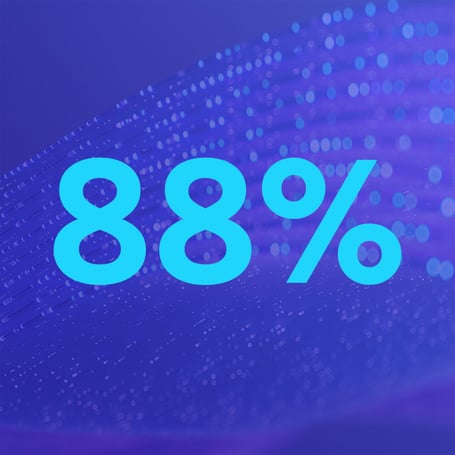
88% use AI tools more now than they did a year ago

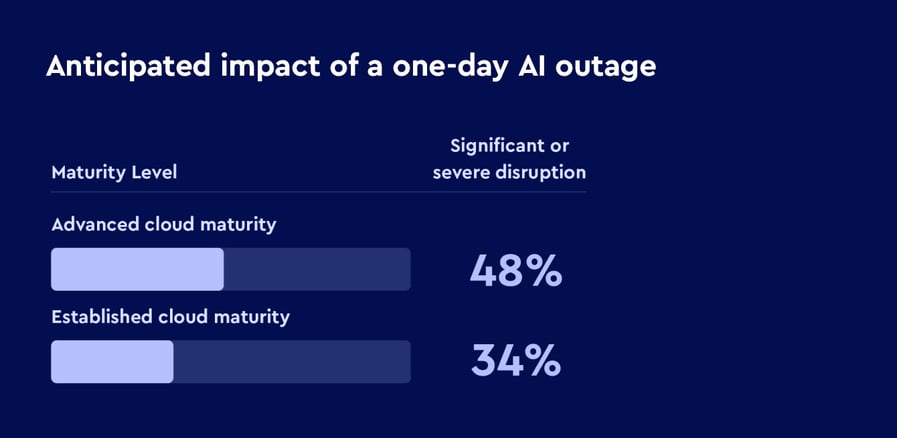
1 in 3 anticipate significant or severe disruption if AI were unavailable for a day

Advanced cloud environments face 4x more AI-driven business disruptions
Takeaway #1:
How organizations adopt new technology matters for stability
Each round of infrastructure modernization is to make the environment simpler, but that’s not what’s happening at many respondents’ organizations. As they modernize continuously, organizations add new points of instability.
51% of respondents say their organizations experience unplanned cloud downtime or performance issues at least monthly, including 16% that experience them at least weekly.
The consequences of cloud issues extend into day-to-day operations. During cloud-based outages, 51% of respondents lose access to needed tools or systems, while 44% lose access to critical data.
Modernization can solve yesterday’s technology problems while creating new operational demands. The challenge is maintaining stability as the environment becomes more advanced.
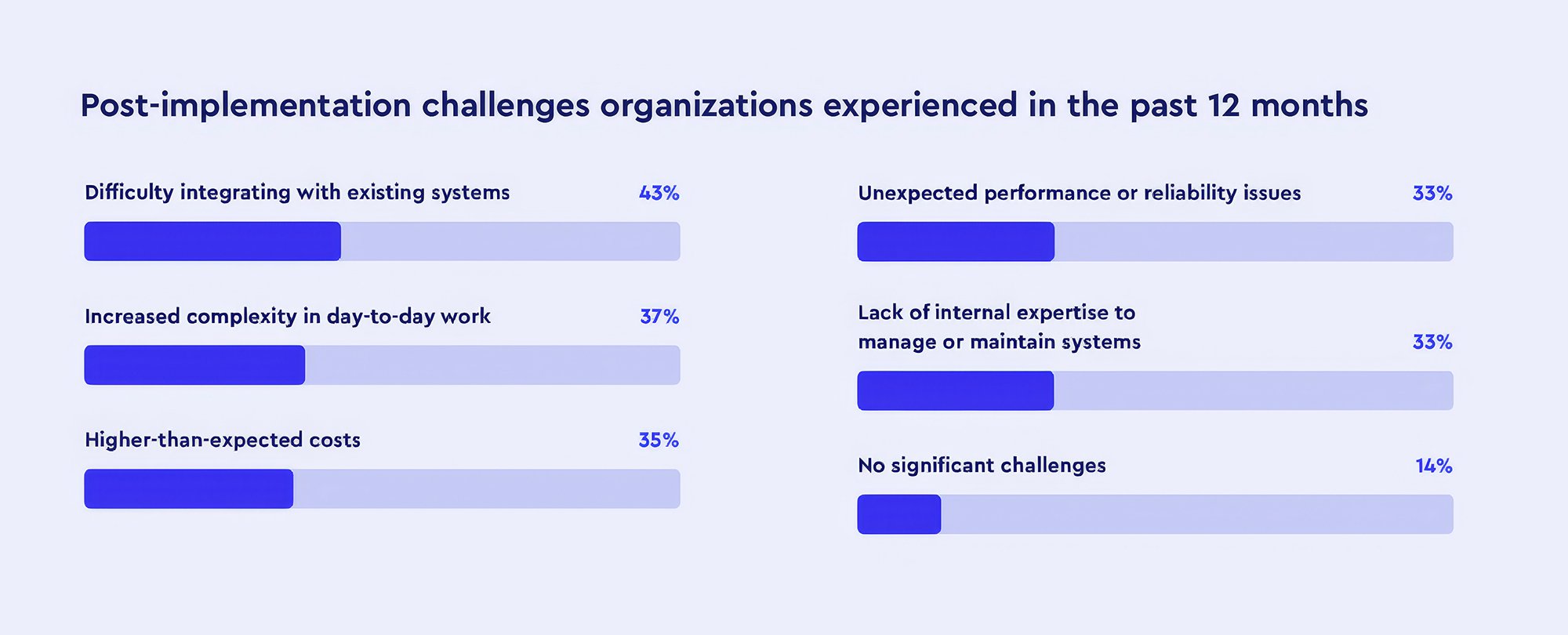
Reliability is only part of the problem. Of respondents who had visibility into how their organization manages cloud-based systems and platforms, 86% experienced at least one post-implementation challenge in the past 12 months, led by difficulty integrating with existing systems.
Takeaway #4:
That load is rising faster than the survey indicates organizations can carry it.
AI raises the stakes for infrastructure resilience
The organizations furthest along in cloud maturity are moving even faster with AI. Two-thirds of advanced organizations (67%) report significantly greater AI use than a year ago, compared with 49% at established organizations.
But recall that the most advanced cloud organizations are also experiencing the most disruption in their environments.
The organizations reporting the most chronic instability in their cloud environments are also increasing their dependence on AI the fastest.
AI is rapidly becoming part of the operational load technology environments must carry.
That load is rising faster than the survey indicates organizations can carry it.
Special report: The human side of AI scale
As AI becomes embedded in everyday work, organizations are still working out the guardrails around it.

AI oversight is still taking shape
Just 43% of respondents say their organization has clearly defined and consistently enforced AI oversight. Among these respondents, only 15% are concerned about unclear responsibility when AI-related issues occur.

Sensitive data remains a governance fault line
Policies around sensitive data greatly vary. 64% percent of respondents say their organization limits or prohibits the use of AI with sensitive data, while 18% allow it with clear controls and safeguards.

AI reliance is testing workforce judgment
As AI adoption grows, so does concern about whether its outputs are being properly validated. 63% worry employees may rely on AI outputs without verifying their accuracy.